Beginner
Choosing Your BB Weight Based on Your Replica's FPS
September 14, 20266 min read
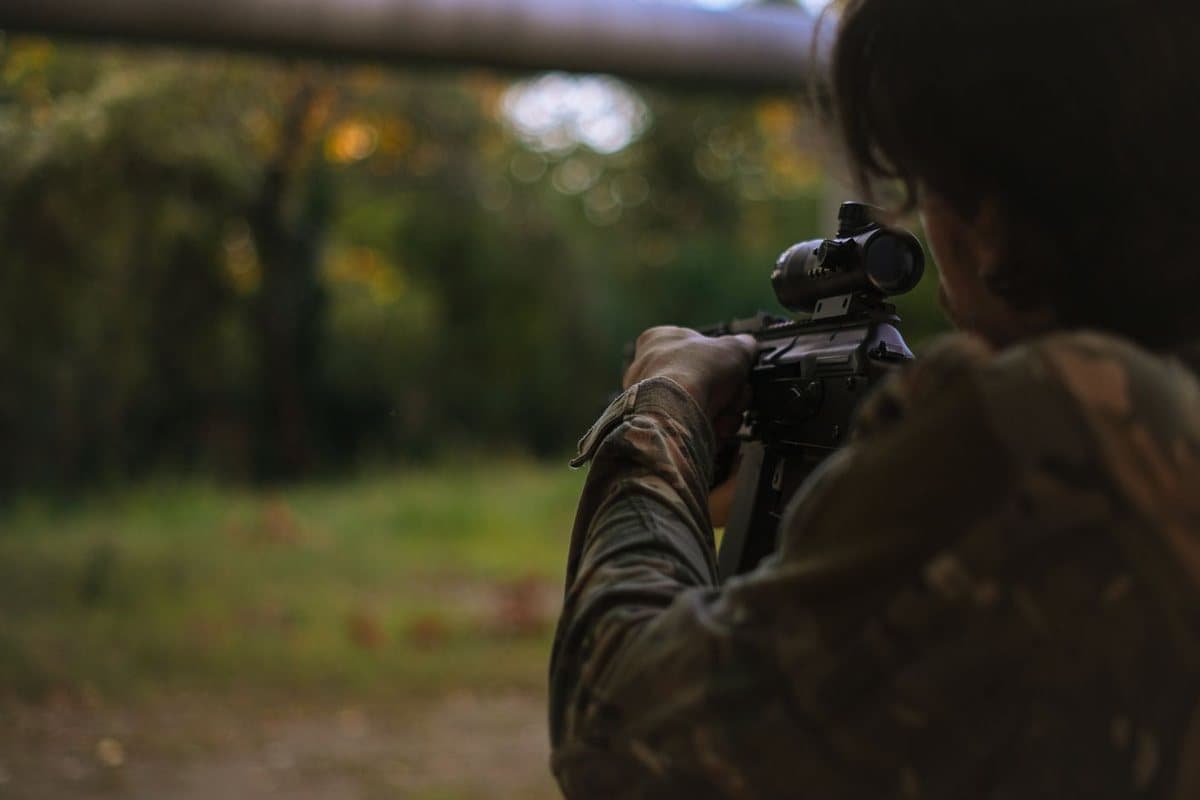
The weight of an airsoft BB (0.20g, 0.25g, 0.28g, 0.32g and beyond) isn't just a matter of price or shop availability, it directly affects trajectory, wind resistance, and even the replica's compliance through joule creep. Choosing the right weight makes a real difference on the field, especially for a beginner.
0.20g: the standard for beginners and CQB
0.20g remains the most widespread reference weight, not least because most fields chrono with it by default. It suits CQB or general use at moderate range, giving good muzzle velocity, even if it loses stability against heavier weights over longer distances or in wind.
0.25g and 0.28g: more stability, less wind sensitivity
These intermediate weights resist wind better and hold a more stable trajectory over medium to long distance, at the price of a slightly lower muzzle velocity on the same setup. It's a good compromise for a player who plays outdoors at medium-range engagements, without needing a dedicated long-range replica.
0.30g and above: DMR and sniper territory
The heaviest weights are mainly used on DMR or sniper replicas, set up specifically for that kind of BB and often subject to particular engagement rules (minimum shooting distance) on the field. Using a very heavy BB on a general-purpose replica that isn't set up for it usually brings no benefit and can even hurt accuracy if the hop-up isn't adjusted accordingly.
The joule creep trap to know before changing weight
- A replica validated with 0.20g can exceed the Joule limit with a heavier BB, depending on its cylinder/barrel ratio
- Changing weight without checking that ratio can get a replica rejected even though it seemed within limits
- A quick calculation before changing your BB habits avoids this nasty surprise on the field
Quality matters as much as weight
A poor-quality BB, even in the right weight, can show shape or weight irregularities from one batch to the next that hurt accuracy regardless of the weight chosen. Investing in BBs of recognised quality remains one of the cheapest ways to look after both accuracy and the lifespan of the barrel and hop-up.
The right reflex for a beginner
Starting with good-quality 0.20g remains the simplest and most versatile choice for a first replica, and you can explore other weights once your playing style and usual engagement distances are clearer.
What to remember
- BB weight changes trajectory, wind resistance and sometimes the replica's compliance
- 0.20g: the standard for beginners and CQB, the reference for most chronos
- 0.25g and 0.28g: more stability and less wind sensitivity, at a slightly lower muzzle velocity
- 0.30g and above: reserved for DMR and sniper, with a hop-up set up for it
- Before changing weight, check joule creep: a replica validated with 0.20g can exceed the limit with a heavier BB
Check whether a change of BB weight stays within the Joule limit, in a few seconds. Use the Joule Creep calculator
Convert your own numbers with the free FPS to joules converter.
How we do it on the bench
- Adjusting an AEG hop-up, step by step
- Replacing the hop-up rubber (bucking) on an AEG
- Which hop-up rubber to pick by hardness (50, 60, 70)
- Installing a flat hop-up chamber
- Hop-up nub: when and how to replace it
- Hop-up sending BBs to the left or right
- Trimming or cutting a rubber for long-range shooting
- BB stuck in the barrel: what to do
- Does a more precise barrel really change range?
- Bring a replica back under the joule limit
- Nozzle and hop-up on a GBB
- Set the hop-up on a sniper
Not sure what's wrong with your replica?
Our diagnostic is free: we open it up, identify the fault, and tell you exactly what your replica needs before touching anything.